
Black Celebrity Stylists
By Marisol Vega
Black celebrity stylists help public figures communicate through clothing, hair and make-up. The visible result may be a single photograph, but the work be
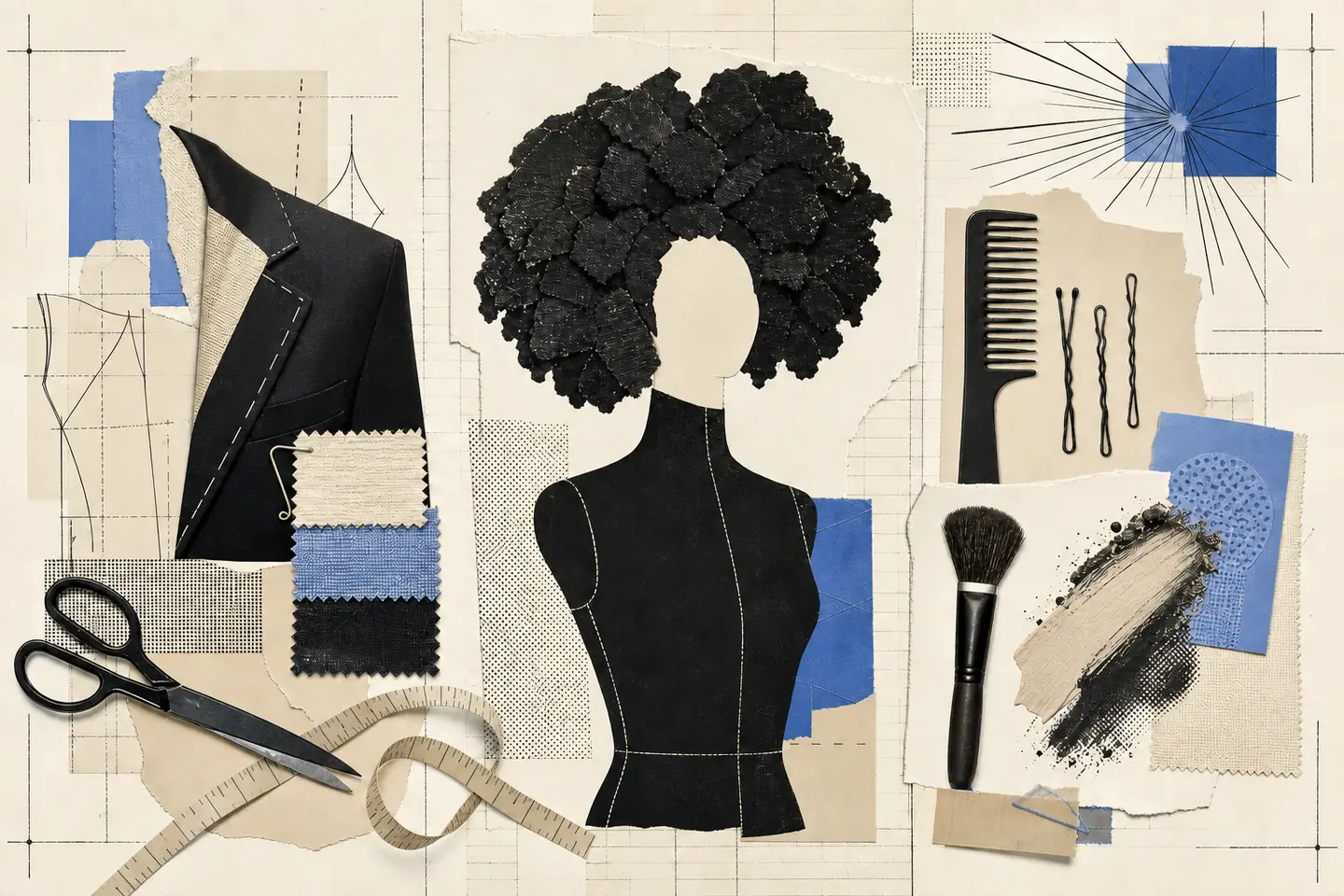
Black celebrity stylists help public figures communicate through clothing, hair and make-up. The visible result may be a single photograph, but the work behind it includes research, fittings, alterations, grooming decisions, logistics and close collaboration. A strong look must suit the person, the occasion and the way cameras will record it.
Cultural knowledge matters in this work. References drawn from Black fashion, music, film and regional style need to be used with understanding rather than treated as decoration. The stylist must also consider how hair texture, skin tone and body shape affect practical choices. These are technical concerns as well as questions of representation.
What the role involves
A wardrobe stylist begins with a brief. A premiere may require formal clothing that works while walking, sitting and speaking to reporters. A stage performance needs garments that allow movement and withstand heat, repeated wear and quick changes. An editorial shoot can support a more experimental silhouette because the image is controlled and the clothing is worn for less time.
Research gives each look direction. The stylist may study a client’s previous appearances, the visual language of a new project, the venue, dress code and likely camera angles. References can come from tailoring, street dress, historical photographs or costume, but they should support the client’s story. A recognisable reference is useful only when it remains respectful and does not turn the wearer into a costume.
Sourcing follows the brief. The stylist requests or buys clothing, records every item and arranges fittings. During a fitting, the team checks proportion, comfort, movement, closures and the view from all sides. Tailoring may change a hem, shoulder, waist or sleeve so that the garment fits the wearer rather than merely matching a labelled size.
The final choice also has to survive real conditions. Pale fabric may become transparent under flash. A high collar can interfere with hair, while a rough neckline may catch textured styles. Long hems, fragile fastenings and difficult footwear can become hazards on stairs or a crowded stage. Backup garments, repair supplies and a clear dressing order reduce avoidable problems.
Building one coherent image
Wardrobe, hair and make-up work best when the teams plan together. A sculptural hairstyle can change the balance of a neckline. Large jewellery may compete with detailed hair or create unwanted reflections. Strong make-up colour may need quieter clothing, while a restrained outfit can leave room for a more graphic beauty choice.
Hair planning should begin with an honest assessment of texture, scalp condition, previous treatments and the demands of the appearance. Protective styling should minimise repeated handling and excessive tension, not simply hide existing damage. Clean sectioning, suitable preparation, controlled heat and careful removal matter more than complexity.
Inclusive practice requires every hair professional on a team to be ready for the people booked. Reports in which Black models have described fashion-show hairstylists being unable to work with textured hair show why competence cannot be assumed. Confirming skills, tools and responsibilities before a shoot protects the client from last-minute improvisation and unequal treatment.
Make-up planning considers undertone, skin preparation, venue lighting, flash and the finish of the clothing. Thin, controlled layers can preserve the appearance of skin while managing shine. Products used on the face and body should match consistently in close photographs. The team should test any unfamiliar combination before the event rather than discovering texture or colour problems under strong lights.
Working with a client
A useful first conversation covers the client’s aims, comfort, preferred silhouettes, practical restrictions and appetite for change. The stylist should ask what the appearance needs to communicate and what the client does not want to wear. Listening prevents a visually impressive idea from overriding identity or comfort.
Trust does not remove the need for candour. A stylist should explain when a garment restricts movement, photographs poorly or conflicts with the brief. The client still has final approval. Good collaboration produces a consistent visual language over time without forcing every appearance into the same formula.
Discretion is essential because fittings can reveal unreleased projects, travel plans and personal information. Images and measurements should be shared only with the people who need them. Private discussion should remain private, and a stylist should obtain permission before posting fittings or behind-the-scenes material.
Clear records support the relationship. A working file can include approved looks, alteration notes, item ownership, credits, return dates and backup options. Written confirmation avoids confusion when several assistants, showrooms and craftspeople are involved. It also helps the team respond calmly when weather, timing or the event format changes.
Credit, access and fair practice
A public image is collaborative. Wardrobe assistants, tailors, hair professionals, make-up artists, nail artists and photographers may all shape what audiences see. Accurate credits make that labour visible and allow each contributor to document their work. The wider conversation on Black fashion, access, and luxury also concerns who receives authority, opportunity and ownership, not only who appears in the finished image.
Professional expectations should be set before work begins. Scope, deadlines, approval routes, travel, overtime, assistants, garment responsibility and image usage all need written agreement. This is particularly important when a loose request for “styling” actually includes research, creative direction, sourcing, tailoring supervision and dressing on the day.
Reliable service matters on both sides of the relationship. Reporting on Black women’s frustrations with cancellations, unclear policies, and salon service highlights practical concerns around communication and respect for time. Confirming arrangements, notifying people promptly of changes and stating responsibilities clearly are basic professional habits.
Inclusion also affects sourcing. A clothing rail should offer realistic options for the client’s body rather than one preferred sample size. Beauty kits and lighting tests should account for a full range of skin tones. A team should not depend on the client bringing personal products or teaching hired professionals how to do their jobs.
Preparing for different kinds of work
Red carpets and press appearances
Public appearances compress many demands into a short period. The clothing must read clearly against a backdrop, remain comfortable during waiting and interviews, and look considered from several angles. The team should plan transport, dressing time, weather protection, garment steaming and a compact repair kit. A second option is useful when fit, damage or delivery problems cannot be solved safely.
Tours and performances
Performance wardrobes are systems rather than isolated outfits. The plan needs to follow the running order, choreography, quick-change locations, climate and cleaning schedule. Duplicate pieces may be necessary when there is no time for repairs. Closures should be tested at performance speed, and shoes should be worn during rehearsal rather than introduced on the night.
Editorial shoots
Editorial styling starts with the story the images need to tell. A concise visual reference sheet helps the photographer, beauty team and set crew work towards the same result. The stylist tracks which pieces appear in each frame, checks credits and protects borrowed items. Experiment is welcome, but every choice should still serve the subject and the agreed idea.
A practical route into styling
An aspiring stylist needs evidence of judgement and reliability. A small portfolio of complete, well-photographed projects is more useful than a large collection of unrelated images. Each project should show control of proportion, colour, fit and context. Captions should identify the creative roles accurately without implying clients or commissions that did not exist.
Test shoots can build experience when everyone agrees on the purpose, costs, usage and credits beforehand. Working with photographers, models, performers and beauty professionals at a similar career stage allows each person to create material. The stylist should arrive with a clear brief, an organised rail, dressing supplies and a realistic schedule.
Assisting is a practical way to learn the less visible parts of the job. An assistant may collect garments, prepare rails, record samples, organise returns and support fittings. Careful handling and accurate paperwork build trust. Borrowed pieces should be returned in the agreed condition and on time.
A portfolio should be easy to review. Include a brief introduction, a focused selection of work, clear credits and current professional links. Show full looks as well as details that demonstrate tailoring, accessories or texture. Remove weaker work as new projects improve the overall standard.
When approaching a potential collaborator, keep the message specific. State the kind of work you do, explain why the person or project is relevant and provide one direct portfolio link. Avoid mass messages and exaggerated claims. Consistent preparation, respectful communication and sound creative decisions are what turn an introduction into further work.