Celebrity Outfits to Recreate
By Marisol Vega
A celebrity outfit is most useful as a styling reference, not a shopping list. Look for the idea that makes it memorable: a long tailored coat over simple
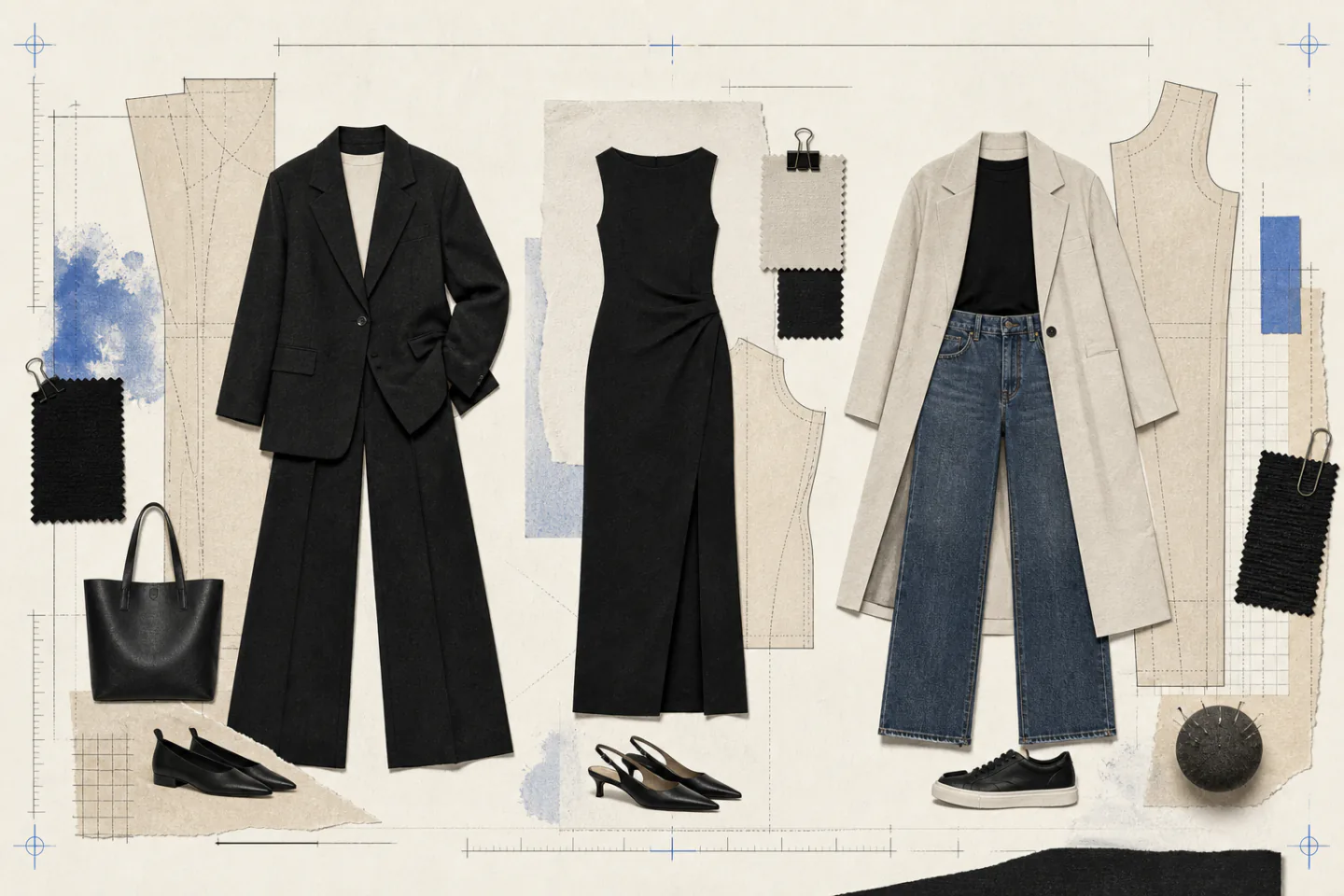
A celebrity outfit is most useful as a styling reference, not a shopping list. Look for the idea that makes it memorable: a long tailored coat over simple separates, a single-colour evening look, relaxed denim with a precise jacket, or an unusual balance of volume. Recreate that idea with clothes suited to your body, routine and climate.
The result should still feel like your wardrobe. Good adaptations preserve the original silhouette, colour relationship or finishing detail while changing anything impractical. They are comfortable enough to wear, appropriate for the occasion and easy to combine with pieces you already own.
Find the Outfit Formula
Identify the Defining Details
Start by describing the outfit without referring to labels. Note the outer layer, the shape of the top and bottom, the dominant colours, the shoe profile and one key accessory. “Roomy blazer, fitted knit, straight jeans and pointed shoes” is a usable formula. “The exact outfit from a photograph” is not.
Choose no more than two details to preserve closely. These might be a cropped jacket and high-waisted trousers, or a satin texture and narrow footwear. If every element demands attention, the recreation can look like a costume. Celebrity style formulas are easier to repeat when their main components are clear.
Then adjust the proportions. A very oversized coat can become a gently relaxed one; a floor-length skirt can become a midi; a low neckline can sit higher. The important question is whether the same visual relationship remains. A short top with a longer lower half, for example, can be maintained without copying either garment exactly.
Match It to Real Plans
Decide where the outfit will be worn before buying anything. A dramatic formal look may translate into dinner clothes through its clean colour palette and metallic accents. An airport outfit may supply a useful layering plan for an ordinary travel day. An adaptation succeeds when it fits an actual occasion rather than a photograph.
Adapt Formal and Evening Looks
Use Minimalism to Emphasise Fit
Minimal evening outfits depend on a strong line. A column dress, fluid suit or wide-legged trouser with a fitted top creates a clear silhouette without elaborate decoration. Black, deep navy, burgundy, cream and dark brown are easy to coordinate, but any controlled palette can work.
Select one focal point: a one-shoulder neckline, sculptural cuff, vivid bag or pair of drop earrings. Keep the other elements quiet. A bold necklace, large earrings, decorated shoes and a shiny bag used together compete for attention. One deliberate accent gives the eye somewhere to rest.
Reduce a Statement Look
A striking gown or suit usually has one recognisable feature, such as a saturated colour, broad shoulder, open back or full skirt. Keep that feature and simplify the rest. A bright slip dress needs little more than plain shoes and a compact bag. A suit with a pronounced shoulder works best with an uncomplicated shirt and restrained jewellery.
Tailoring can create impact without decoration. Jacket shoulders should sit cleanly, sleeves should end deliberately and trousers should meet the shoe without bunching. Budget celebrity-look recreations often become more convincing after basic alterations rather than extra purchases.
- Choose a hem that works with the actual shoe height.
- Check that a jacket closes without pulling, even if worn open.
- Use one metal colour across visible jewellery and hardware.
- Remove an accessory if it repeats an effect already supplied by the clothes.
Build Off-Duty Outfits
Balance Denim and Tailoring
Off-duty outfits often combine a relaxed base with one polished piece. Straight or gently wide denim can be paired with a plain T-shirt, fitted knit or simple shirt, then finished with a blazer, cropped jacket or long coat. The contrast between casual fabric and clean structure creates most of the effect.
Keep the denim wash consistent and the hems tidy when the reference feels polished. Dark blue, medium blue, black and ecru are adaptable choices. Loafers, low ankle boots, slim flats or clean trainers alter the formality without changing the formula. A belt or compact shoulder bag can provide definition, but neither needs prominent branding.
Easy celebrity-inspired outfits often rely on familiar pieces arranged with care. Before shopping, try changing the sleeve roll, trouser cuff, tuck or jacket length. A small proportion change may supply the missing connection.
Layer for Travel and Errands
Travel outfits need unrestricted movement, temperature control and secure storage. Begin with trousers that remain comfortable when seated, add a breathable top and carry a layer that can be removed easily. A long cardigan, light coat or unstructured jacket adds shape without restricting the shoulders.
Dress for Specific Events
Dinners and Informal Evenings
For a dinner or gallery visit, use a slip skirt with a fine knit, a midi dress under a tailored jacket, or dark trousers with an open-collar shirt. Deep neutrals give accessories room to work. Metallic shoes, an angular bag or a single cuff can make the outfit feel intentional without reducing its usefulness.
Outdoor Events and Weddings
For an outdoor event, treat protection from sun, rain and uneven ground as part of the look. Loose cargo trousers, a fitted top and an overshirt can support one expressive item such as a textured vest or bright sunglasses. Use supportive footwear and a small zipped crossbody bag rather than delicate shoes and an unsecured clutch.
Wedding clothes should follow the stated dress code, location and time of day before any style reference. A tailored jumpsuit, midi dress or lightweight suit can suit a daytime ceremony; a longer dress or sharper suit may fit an evening setting. Avoid colours that could read as bridal, and choose heels or flats that work on grass, sand, stone or a long dance floor.
Spend on the Parts That Matter
Shop Your Wardrobe First
Lay out every plausible piece before searching for replacements. Group them by role rather than garment name: anchor layer, fitted base, relaxed lower half, practical shoe and finishing accessory. This makes alternatives easier to see. A cardigan may provide the long vertical line of a coat, while a neat shirt can replace a fitted knit.
If something is missing, prioritise the item that changes the silhouette. A properly cut jacket or suitable shoe usually contributes more than several small accessories. Resale shops, rental services and alterations can help when the required piece is occasional or difficult to match, but condition and fit remain more important than resemblance.
Correct Fit in a Useful Order
Assess the hardest areas first. Shoulders, bodice and rise determine whether a garment hangs correctly and can be difficult to alter. Waist placement, sleeve length and hems are often easier to adjust. Shoes should be tested with the final trouser or dress length before any fabric is cut.
- Check shoulders, chest and seat for pulling or collapse.
- Confirm that the waist sits where the outfit needs definition.
- Set sleeve and trouser lengths with the intended shoes.
- Adjust a skirt or dress hem only after testing movement.
- Steam, brush and repair the finished clothes.
Make the Reference Repeatable
Save outfit ideas by occasion, season and weather rather than in one undifferentiated collection. Add a short note naming the formula and the pieces already owned. “Cold dinner: long coat, fine knit, wide trousers, pointed boots” is more useful than an image without context.
Try the complete outfit several days before it is needed. Photograph it from the front and side in natural light, then check the line of the hems, the scale of the bag and the balance between fitted and loose areas. Change one element at a time so it is clear which adjustment improves the result.
Carry this on with HerSecret.