
Celebrity Street Style

By Marisol Vega
Celebrity street style offers a useful exercise in reading clothes: look beyond the wearer and identify the decisions that hold an outfit together. A long
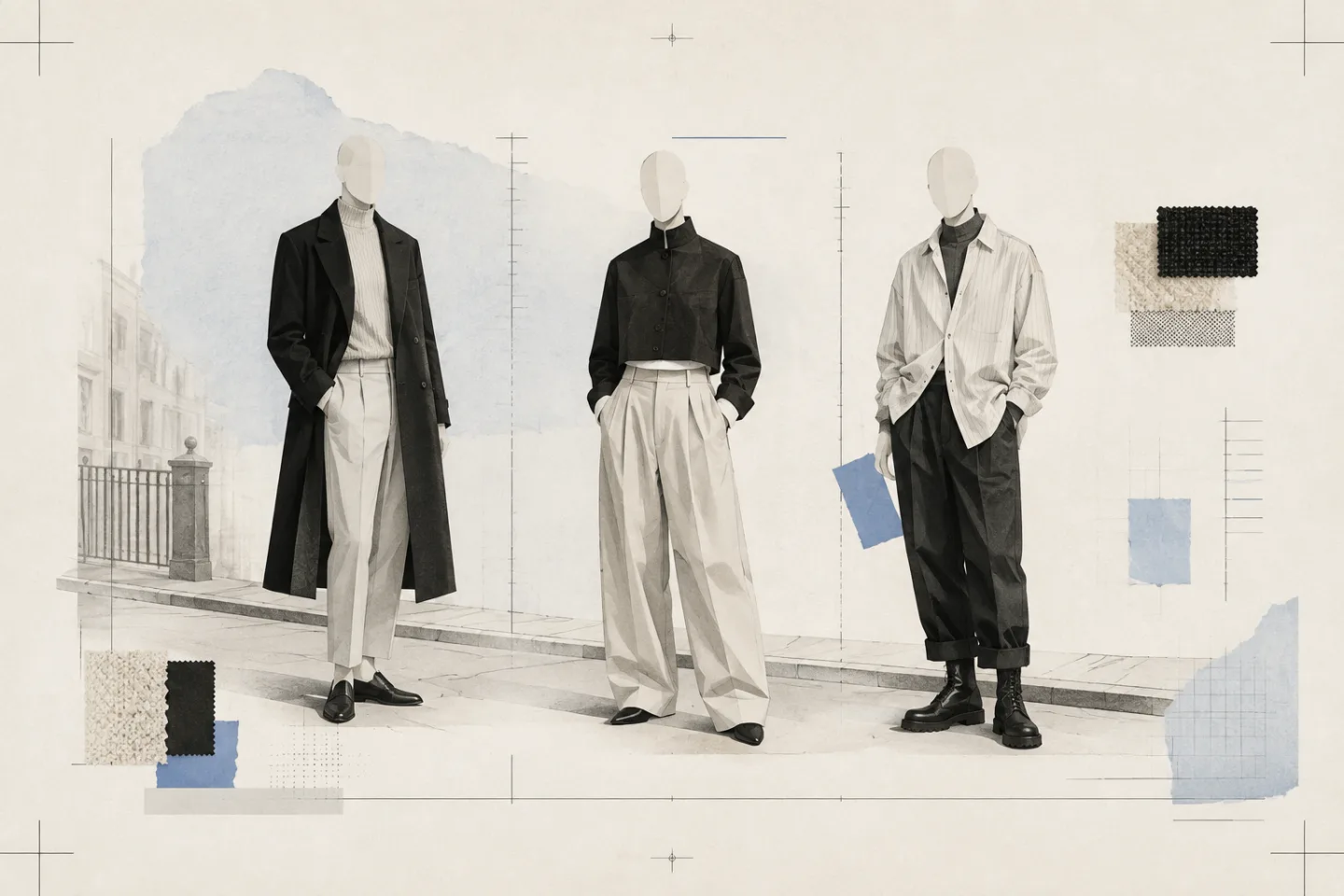
Celebrity street style offers a useful exercise in reading clothes: look beyond the wearer and identify the decisions that hold an outfit together. A long coat, a repeated colour or the contrast between relaxed trousers and polished shoes can provide an idea you can use without copying an entire look.
A photograph cannot tell you how comfortable an outfit feels, how it handles the weather or whether it suits a full day of walking. Treat it as a starting point. The aim is to translate its shape, colour and texture into clothes that work for your own routine.
Separate the idea from the outfit
Describe a reference image without naming labels or the person wearing the clothes. “Short jacket, loose trousers, sturdy shoes” is more useful than a shopping list because it identifies relationships you can recreate with different garments. Ask which feature first caught your eye, then cover that part of the photograph. Does the rest still interest you?
If the appeal disappears without one distinctive accessory, you may like that detail rather than the whole outfit. If the look remains convincing, its proportions or colours probably deserve closer attention. This distinction helps you decide what to try with clothes you already own.
Keep the reference separate from assumptions about the wearer. An outfit does not reliably reveal personality, income or confidence. Concentrate on observable features: where a hem falls, how much fabric gathers, which colours repeat and where the strongest contrast appears.
Read the proportions
Proportion describes the relationship between the lengths and volumes of garments. A cropped jacket exposes more of the trousers; a long coat creates a continuous outer shape. Neither is automatically better. Their effect depends on the layers underneath and the silhouette you want.
Study the outfit from shoulder to shoe. Notice where each layer ends and whether the clothes follow the body or stand away from it. Then change one relationship at a time:
- Try a shorter top with wide trousers to make the waistband visible.
- Put a simple, close-fitting layer beneath a generous coat to reduce bunching.
- Let a shirt extend below a short jacket if you want a clearly visible middle layer.
- Compare the same trousers with shoes of different shapes before changing the hem.
Check these combinations while moving as well as standing still. Sit down, reach forwards and walk a few steps. A sleeve that pulls or a trouser hem that catches under your heel needs attention regardless of how the outfit photographs.
Give colour a clear role
Start with the colour relationship rather than an exact shade. The reference might combine a dark base with a pale outer layer, repeat similar tones throughout or use one contrasting accessory. You can preserve that relationship while choosing colours already present in your wardrobe.
For a practical trial, place the garments together in daylight. Check whether the strongest colour sits where you want the eye to go. A vivid scarf draws attention towards the face; contrasting shoes place emphasis lower down. Repeating a colour in a smaller detail can connect separate parts of an outfit, but every accessory need not match.
If several colours compete, remove one item and reassess. If similar shades seem indistinct, try changing the texture before adding another colour. A smooth shirt beneath a textured knit can make a restrained palette easier to read.
Use one deliberate contrast
Contrast can come from formality, surface or shape. Try relaxed denim with a structured jacket, a soft skirt with substantial shoes, or a plain cotton top beneath a sharply defined coat. Choose one contrast first so you can see whether it improves the outfit.
Materials matter because they hang and catch light differently. A soft, draping fabric can fold beneath a firmer outer layer; two bulky layers may compete for space. Test the combination with the jacket fastened and open. Check that collars sit comfortably and sleeves move without dragging the layer beneath them.
When a look feels crowded, remove the detail that contributes least. It might be a patterned scarf competing with a textured coat or jewellery disappearing beneath a busy neckline. Editing is easier when you can state which garment should lead.
Recognise references without copying an identity
Clothing references have histories beyond any single street photograph. Before borrowing a distinctive historical or cultural detail, explore its context rather than treating it as a decorative shortcut. For background reading, The V&A’s history of 1960s fashion provides a starting point for examining period dress.
Separate a general technique, such as precise tailoring or contrasting textures, from clothing with a particular cultural meaning. You can experiment with construction and proportion while taking time to understand a reference. Further context is available in The Metropolitan Museum of Art’s overview of Black dandyism.
Historical inspiration also need not mean assembling a complete period outfit. Consider one feature, such as sleeve volume or collar shape, alongside familiar clothes. For another historical reference, consult The museum’s account of Westwood’s historical references. Use the reading to frame your questions rather than assuming that a photograph explains its own influences.
When saving references, note what you know and what remains unclear. A close crop may hide the footwear; a coat worn open may conceal how the layers fit when fastened. Do not fill those gaps with purchases. Try the visible idea first, and use your own comfort checks to resolve details the photograph cannot show.
Find useful repetition
Look across several reference images and note what recurs. Perhaps you consistently choose long outer layers, compact bags or combinations of loose trousers and simple tops. Those preferences offer a more useful direction than any isolated outfit.
Choose one recurring feature to test for several days. It could be a narrow colour range or a familiar trouser shape. Keep the rest flexible. Repetition should reduce the effort of dressing while leaving room for changes in weather, activity and mood.
Record what you actually wear comfortably. If a favourite shape repeatedly needs adjusting, try a different size, fabric or layer before deciding it belongs in your regular rotation.
Build and test your version
- Select a reference. Choose an image with one clear feature you can describe, such as a long outer layer over a simple base.
- Check your wardrobe. Find garments that reproduce the relationship, even if their colours and materials differ.
- Make two versions. Change only the shoes or jacket so you can identify what that adjustment contributes.
- Test your routine. Carry your usual bag, sit down and walk. Check pockets, closures and freedom of movement.
- Review the result. Use a straightforward photograph in ordinary light to compare lengths and layers, then judge comfort separately.
Adapt the reference to the day ahead. A trailing hem may need a different shoe or a shorter trouser; a heavy outer layer may need replacing with a lighter one. Keep the visual relationship that interested you while changing whatever obstructs movement or feels unsuitable for the temperature.
Before adding anything to your wardrobe, identify the specific gap the trial revealed. “A lighter layer that fits beneath this jacket” is actionable; “something more stylish” is not. If the outfit works with what you own, repeat it and note which small adjustments make it easier to wear.