
Famous Celebrity Stylists: Understanding Their Work

By Marisol Vega
Interest in famous celebrity stylists often begins with a striking outfit, but the useful question is how that image was built. Styling combines visual jud
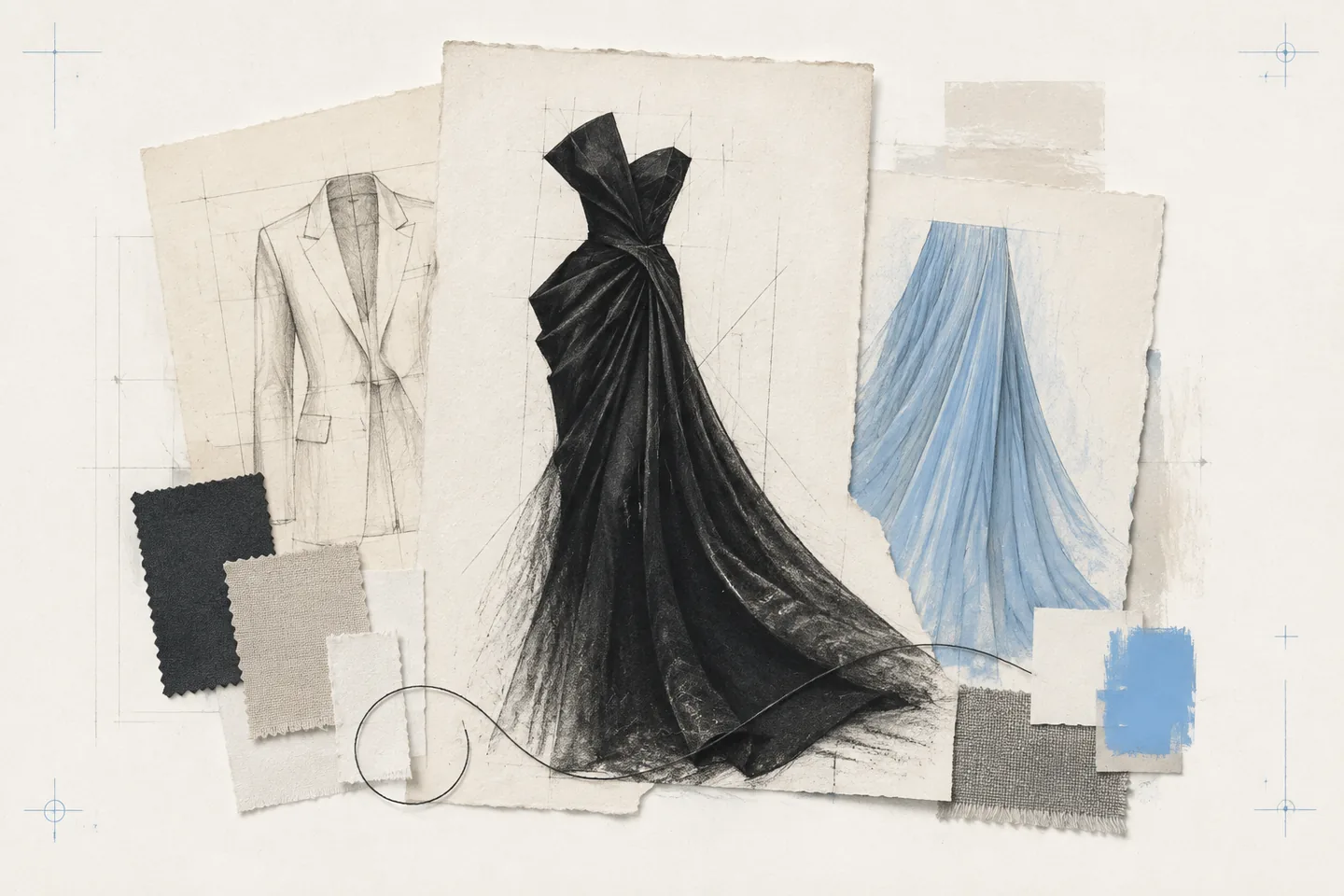
Interest in famous celebrity stylists often begins with a striking outfit, but the useful question is how that image was built. Styling combines visual judgement with research, listening and practical preparation. Understanding those decisions helps you assess a public appearance and apply suitable ideas to your own wardrobe.
A celebrity stylist may select clothing for premieres, performances, photographs or interviews. The brief changes with each setting: an outfit designed for a seated conversation needs different handling from one worn on stage. Rather than treating recognition as proof of quality, examine how well the clothes serve the wearer and occasion.
What happens beyond the photograph?
The finished look conceals much of the work. Preparation can include researching references, requesting garments, arranging fittings, coordinating alterations and checking accessories. Someone must also account for transport, dressing time and an alternative if the intended outfit becomes unavailable or proves uncomfortable.
The distinction between designing and styling matters. A designer creates garments; a stylist selects and combines them for a particular person and purpose. The roles can overlap, but choosing an existing piece does not make the stylist its designer. That history helps explain why the stylist’s contribution can be both essential and surprisingly invisible.
When studying an appearance, separate what you can observe from what you cannot verify. You can describe the silhouette, colour and visible fit. You cannot reliably infer the wearer's feelings, the arrangement behind a garment loan or who proposed a detail from a photograph alone.
Start with the wearer and the brief
Good styling begins with specific questions. What will the person be doing? Which parts of the outfit need to move freely? What do they enjoy wearing, and what would make them feel exposed or restricted? A request for something simple needs clarification: it might mean fewer accessories, softer fabric or an easier fastening.
Listening also prevents a stylist's preferences from overwhelming the client. The important point is not the specific brands or garments, but the act of paying attention to what animated the client. Turn that observation into a usable brief, such as relaxed tailoring with room to move, rather than an abstract demand to look impressive.
A useful brief contains a central idea and practical limits. Record the setting, movement requirements, preferred coverage and available preparation time. Add a few visual references, each labelled with the relevant feature. One image might demonstrate sleeve volume; another might show a colour relationship. Neither needs to be copied wholesale.
Recognise a signature without making it a formula
A recognisable approach might favour sharp tailoring, fluid shapes, unusual colour pairings or restrained accessories. Consistency can make a sequence of appearances feel connected. It becomes limiting when the same proportions are imposed on every wearer regardless of their preferences or the event.
Look beneath the surface of a signature. Instead of copying an oversized jacket, ask what it contributes: a broad shoulder line, contrast with narrow trousers or a relaxed outline. The same purpose might be served by a different garment that fits the intended wearer more comfortably.
Fashion profiles can also offer a perspective on developing judgement outside a single training route. His story shows how a strong point of view can create opportunity outside conventional industry pathways. Treat such accounts as examples to examine, rather than promises of a repeatable career outcome.
Use references with a clear purpose
Clothing can connect an appearance to a performance or creative project through colour, texture, shape or historical references. The result is a form of fashion storytelling in which a press tour can feel like an extension of the film itself. A reference does not have to be literal to be legible.
For a hypothetical project set beside the sea, a stylist might explore rippling fabric or a weathered colour palette. Adding several obvious nautical details could overwhelm that idea. Decide which feature carries the connection, then judge whether the remaining pieces support it or simply repeat it.
References need context. Avoid assigning a meaning to cultural or ceremonial clothing without understanding its use. When the origin of a detail is uncertain, describe its visible qualities rather than inventing an explanation. An attractive resemblance is not evidence that a stylist intended a particular historical allusion.
Check fit, movement and the complete composition
A fitting should test the activities the outfit must accommodate. Walk, sit, turn and raise the arms as appropriate. Check whether hems catch, closures pull or jewellery snags. Assess shoes with the intended trouser or skirt length, because changing heel height can change how the garment falls.
Consider the whole composition before adjusting individual details. Hair can cover a neckline; a bag can interrupt the outline; a large earring can compete with an embellished shoulder. The question is whether those relationships create the intended emphasis, not whether every item is attractive on its own.
Test under lighting reasonably close to the setting. Reflective fabrics and fine patterns may read differently in a photograph than in a mirror. Take a full-length image and a closer view, with the wearer's agreement. Use them to check practical details rather than treating a single flattering angle as proof that the outfit works.
Prepare an alternative around the same brief. If a fitted sleeve restricts movement, a looser replacement should still work with the rest of the outfit. Keep a short dressing note covering the order of layers and any delicate fastenings. Practical preparation protects the intended appearance when time is limited or a garment needs to be changed.
Understand what photographs can show
Fashion images invite comparison, but their conditions vary. Camera angle, cropping, pose and illumination can alter the apparent proportions of clothing. Before attributing a difference to styling, check whether you are comparing similar views. A standing event photograph and a carefully arranged studio portrait answer different questions.
Research using collections of fashion photographs offers another way to examine visual patterns. This research does not determine what is beautiful, but it demonstrates how fashion images now function as a vast cultural record. A collection can support observation without establishing why an individual chose an outfit.
Keep notes descriptive. Write that a jacket creates a straight shoulder line, or that one colour appears across several looks. Avoid turning those observations into unsupported claims about confidence, status or personality. Distinguish the effect you perceive from an intention documented by the people involved.
A practical method for studying styling
Choose a small selection of appearances and compare them using the same questions. A consistent method is more useful than collecting dozens of images without recording what interests you.
- Identify the setting. Note whether the clothes serve a performance, formal event or interview, and what physical demands follow.
- Describe the silhouette. Record where volume sits and how garment lengths relate, without judging the wearer's body.
- Find the focal point. Decide whether colour, shape, texture or an accessory draws attention first.
- Check the supporting choices. Look at footwear, jewellery and grooming as parts of the same composition.
- Translate one decision. Try a proportion or colour relationship using clothes you already own, then assess comfort and movement.
For example, if a look relies on a long outer layer over a compact base, test that relationship with familiar pieces. Change only one element at a time so you can see what makes the difference. Record what worked and what needed adjustment; that gives the next fitting a concrete starting point.